
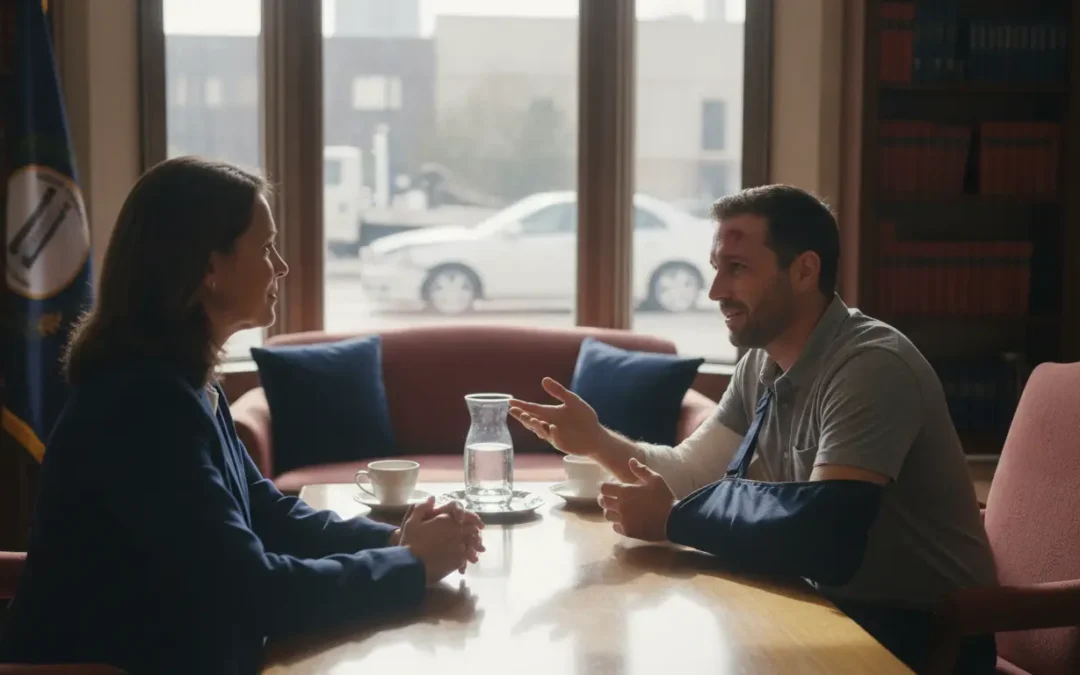
After a Kentucky car accident, an auto insurance claim can feel like a second emergency. You may be dealing with pain, vehicle damage, missed work, medical bills, and an adjuster asking for information before you know how serious the situation will become. A calm, organized process can help you protect important records and make informed decisions without guessing about your legal rights.
Request a free, no-obligation case evaluation with Rick Hessig Law.
Quick answer: What should you do with an auto insurance claim?
Report the accident to the appropriate insurer, preserve evidence, seek medical care, keep a claim file, and review every request before responding. Be accurate and cooperative, but do not guess about fault, minimize symptoms, sign a broad release, or accept a quick injury settlement before you understand the medical and financial picture.
- Make sure everyone is safe and call 911 when emergency help or a police response is needed.
- Exchange identifying and insurance information when it is safe to do so.
- Photograph the vehicles, roadway, visible injuries, signs, and surrounding conditions.
- Report the collision to your insurer and ask for the claim number and adjuster’s contact information.
- Seek medical attention immediately for your injuries, then follow the provider’s instructions.
- Save medical records, bills, wage information, repair estimates, photographs, and messages.
- Keep a written log of calls, emails, requests, decisions, and out-of-pocket expenses.
- Before signing a release or discussing a final injury settlement, consider getting legal guidance.
This checklist is general information, not individualized legal advice. Kentucky insurance rules and the facts of each crash can change what steps are appropriate.
What should you do immediately after a Kentucky car accident?
The first priority is safety, followed by a reliable record of what happened. Move to a safe location if it is possible without creating another hazard, request emergency help for injuries, and avoid arguing with the other driver. Once immediate risks are controlled, gather information and preserve what you can without putting yourself in danger.
For a scene-specific walkthrough, read how to report a car accident and protect your rights. That guide covers the initial report and scene documentation. This article focuses on what happens after you begin the insurance process.
- Get help for injuries. Tell emergency responders and medical providers about symptoms, including pain, dizziness, numbness, headaches, or difficulty moving.
- Document the scene if safe. Take wide and close photographs of vehicle positions, damage, traffic controls, road conditions, and visible injuries.
- Identify witnesses. Ask for names and contact information. Do not pressure anyone to adopt your version of events.
- Request the report information. Ask how to obtain the responding officer’s report and record any report number provided.
- Do not repair or discard damaged property too early. Photograph it first and preserve receipts, estimates, and records of any inspection.
How do you report an auto insurance claim?
Start with the phone number or claim channel on your insurance card or policy documents, and report the collision as soon as reasonably possible. Give the basic facts you know, identify any injuries, and ask what documentation the insurer needs. Ask for a claim number, adjuster’s name, contact information, and written instructions for the next step.
Depending on the crash, you may communicate with your own insurer, the other driver’s insurer, or both. Your policy may require prompt notice even when you do not believe you caused the collision. Reporting an accident is not the same as admitting fault. You can provide accurate facts while explaining that the investigation is still developing.
- Use the correct claim channel. Confirm that you are reporting a collision claim, not merely asking a general policy question.
- Share basic facts. Provide the date, general location, vehicles involved, known injuries, police response, and your contact information.
- Ask how the claim will be handled. Record the claim number, adjuster, preferred communication method, inspection process, and requested documents.
- Confirm important requests in writing. If an adjuster asks for records, a statement, or a release, ask for the request and its purpose in writing.
- Keep copies. Save your notice, claim correspondence, estimates, photographs, medical records, and receipts in one place.
What should you say to an insurance adjuster?
Be truthful, concise, and limited to what you personally know. You can explain where and when the crash occurred, identify the people and vehicles involved, and describe symptoms honestly. If you do not know an answer, say that you do not know. Do not speculate about speed, fault, future treatment, or the full extent of an injury before the facts are clear.
| Situation | Safer approach | Avoid |
|---|---|---|
| Questions about the crash | State observable facts and identify what you do not remember. | Guessing about distance, speed, or another driver’s state of mind. |
| Questions about pain | Describe symptoms accurately and explain how they affect activities. | Saying you are fine when you are still assessing symptoms. |
| Request for a recorded statement | Ask what it is for and consider legal guidance before agreeing. | Assuming every recorded statement is routine or harmless. |
| Early settlement offer | Request the offer in writing and review what it would release. | Signing because the offer expires soon or bills are mounting. |
| Request for medical records | Ask which records and authorization are actually needed. | Signing a broad authorization without understanding its scope. |
Keep a communication log with the date, time, name, claim number, subject, and next step. After an important call, send a short written confirmation such as, “My understanding is that you requested the following records.” This creates a clearer personal record and can reveal misunderstandings early.
What records should you collect for the claim?
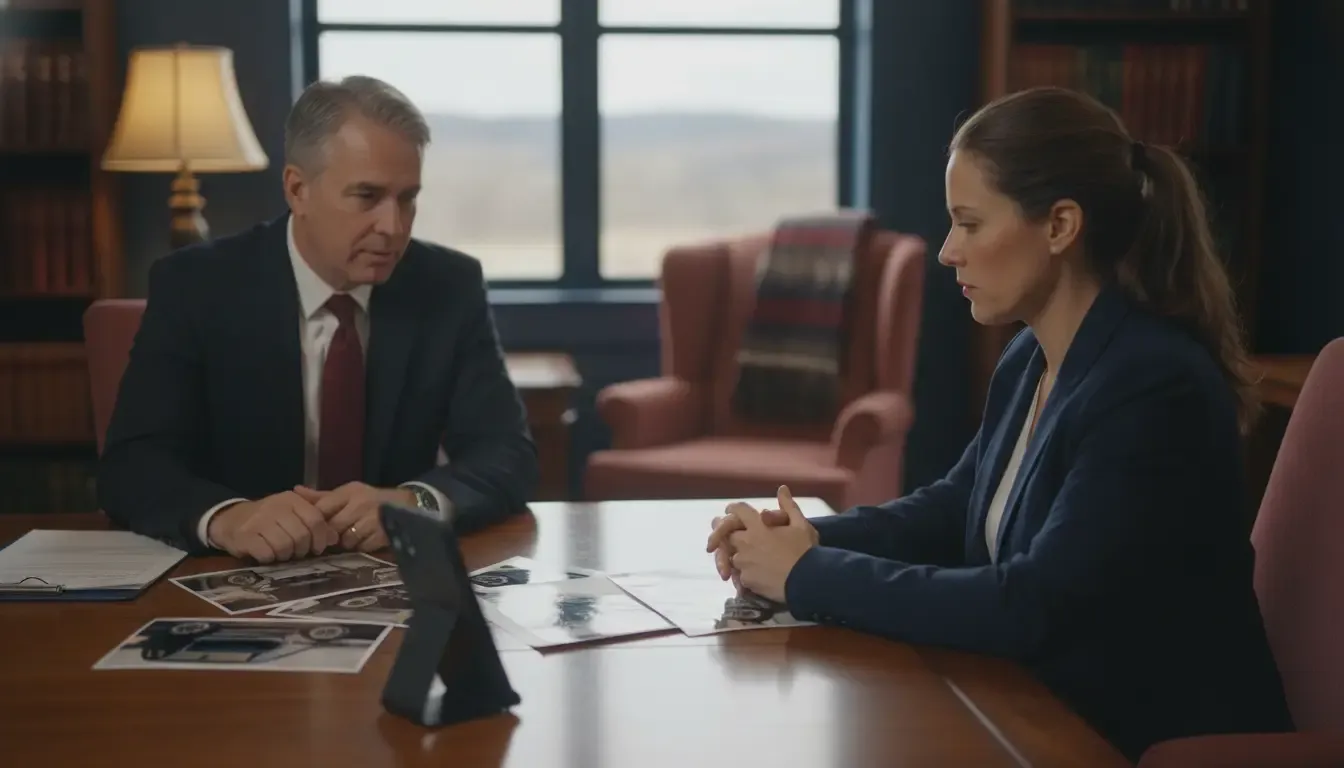
A useful claim file connects the collision to the harm that followed. It should contain the crash record, medical information, financial impact, property damage evidence, and communications with insurers. Digital files are fine, but keep them organized and backed up so you can find a document quickly when an adjuster, provider, or attorney asks for it.
- Police or collision report information and photographs from the scene.
- Names and contact details for drivers, passengers, witnesses, and responding officers.
- Insurance cards, policy information, claim numbers, and adjuster communications.
- Emergency-room records, provider notes, imaging, therapy records, prescriptions, and bills.
- Photographs of visible injuries over time, taken consistently and without editing.
- Employer records, pay information, missed-work dates, and notes about changed duties.
- Vehicle photographs, towing and storage records, repair estimates, and rental-car records.
- A personal symptom and activity log that is factual, dated, and not exaggerated.
- Receipts for reasonable accident-related expenses that you paid yourself.
Do not change or delete original photographs, messages, or documents. If a record contains a mistake, preserve the original and note the correction separately. Avoid posting detailed accident commentary or photographs on social media while a claim is being evaluated. A post may be read without the context you intended.
How can Kentucky PIP coverage affect an injury claim?
Kentucky’s basic personal injury protection, or PIP, generally provides a source of benefits for covered medical expenses, lost wages, and similar out-of-pocket costs without first deciding who caused the crash. The Kentucky Department of Insurance explains that basic PIP coverage is generally up to $10,000 per person per accident for covered benefits, with optional higher benefits and deductibles. Your policy, coverage choices, exclusions, and accident facts matter.
Read the Kentucky Department of Insurance explanation of PIP and no-fault rules for the state’s general information. PIP is not the same as a complete injury recovery, and it does not answer every question about an at-fault driver’s liability. It can be important to identify which policy may provide PIP and how medical bills or wage-loss documentation should be submitted.
Kentucky’s no-fault system also has rules about when an injured person may pursue certain damages against an at-fault driver. The answer can depend on coverage, the type of injury, medical evidence, and other facts. Do not assume that an insurer’s early position about PIP resolves the entire claim.
If your crash involved a motorcycle, a pedestrian, an uninsured driver, or a person who rejected or changed no-fault coverage, the analysis may differ. For an uninsured-driver situation, see what to do if you are hit by an uninsured driver.
What mistakes should you avoid during the claim?
Many claim problems begin with ordinary pressure rather than intentional wrongdoing. An injured person may want to be helpful, reduce conflict, or obtain money quickly. The safest response is to slow down long enough to understand what is being requested and what a signature or statement may affect.
- Do not guess or accept blame. Describe facts you know and let the investigation address disputed responsibility.
- Do not minimize symptoms. Tell medical providers and insurers what you are experiencing, even when symptoms change over time.
- Do not stop prescribed care without understanding why. If cost, transportation, or side effects create a problem, tell the provider and ask about options.
- Do not sign a broad release for a quick payment. A release may affect claims you have not yet evaluated. Read it carefully and get advice when needed.
- Do not assume the first estimate is final. Ask what the estimate includes, what evidence supports it, and what review process is available.
- Do not communicate only by memory. Keep copies and make dated notes after calls.
- Do not share more medical history than necessary without understanding the request. Ask why records are needed and how they relate to the claim.
- Do not wait until a deadline is close to ask questions. Exact legal deadlines can depend on the facts and should be confirmed with a Kentucky attorney.
When may a free legal evaluation help?
A free legal evaluation may be useful when the claim is more complicated than a vehicle repair. Consider asking for guidance if you have significant or continuing injuries, missed work, disputed fault, multiple vehicles or policies, an uninsured or underinsured driver, a recorded-statement request, a broad medical authorization, a release, or a settlement offer before your treatment picture is clear.
It can also help when the insurer stops responding, disputes medical causation, questions the need for treatment, or asks you to make a decision you do not understand. Seeking an evaluation does not require you to predict the outcome of a claim or commit to a particular course. It gives you an opportunity to explain the facts and ask what options may be available.
Rick Hessig Law focuses on injured people in Louisville, Kentucky, and Southern Indiana. Rick Hessig brings personal attorney involvement and investigative experience to case development. Read five signs you may need a car insurance lawyer for more decision points, or request a case evaluation about your situation.
Get a free, no-obligation case evaluation from Rick Hessig Law. You can also call the KY Injury Hotline at 502-777-1111.
Auto insurance claim FAQs
Should I report a car accident to my own insurance company if the other driver caused it?
Often, you should notify your own insurer according to your policy even if you believe the other driver was responsible. Prompt notice can help you understand available coverage and preserve the insurer’s opportunity to investigate. Reporting the collision is not the same as admitting fault. Give accurate facts and keep the claim information.
Do I have to accept an insurance settlement offer?
You should not assume that an early offer is the final word or sign a release without understanding what it covers. Ask for the offer and release in writing, review the payment, listed damages, and released claims, and consider legal guidance before signing. The right response depends on your policy, injuries, evidence, and the terms presented.
What if an adjuster asks for a recorded statement?
Ask which claim the statement concerns, why it is needed, whether it is recorded, and what subjects will be covered. Answer truthfully if you choose to proceed, but do not guess or speculate. Because a recorded statement can later be compared with medical records and other evidence, consider getting advice before agreeing to one about an injury claim.
Does Kentucky PIP cover every expense after a car accident?
No. PIP coverage is subject to the policy, available limits, covered expenses, documentation, and other rules. The Kentucky Department of Insurance describes basic PIP as coverage for certain medical expenses, lost wages, and similar out-of-pocket costs, but a particular claim requires review of the policy and facts. Keep bills and wage records and ask the insurer for written explanations.
When should I speak with a Kentucky car accident attorney?
Consider an evaluation when you have continuing or serious injuries, disputed responsibility, lost income, multiple insurance policies, an uninsured driver, a release or recorded-statement request, or an offer that does not account for the full picture. An evaluation is also reasonable when you cannot get clear answers about the claim. No one can promise a result without reviewing the facts.
Final checklist for protecting your claim
Report the collision, get medical care, preserve the evidence, organize the claim file, communicate accurately, and slow down before signing anything that could release an injury claim. If you need help understanding the next step, contact Rick Hessig Law for a free case evaluation. This information is for general educational purposes only and is not legal advice. Case and court costs may be the client’s responsibility in accordance with Kentucky Bar requirements.
Car Wreck? Call Rick! 502-777-1111.