
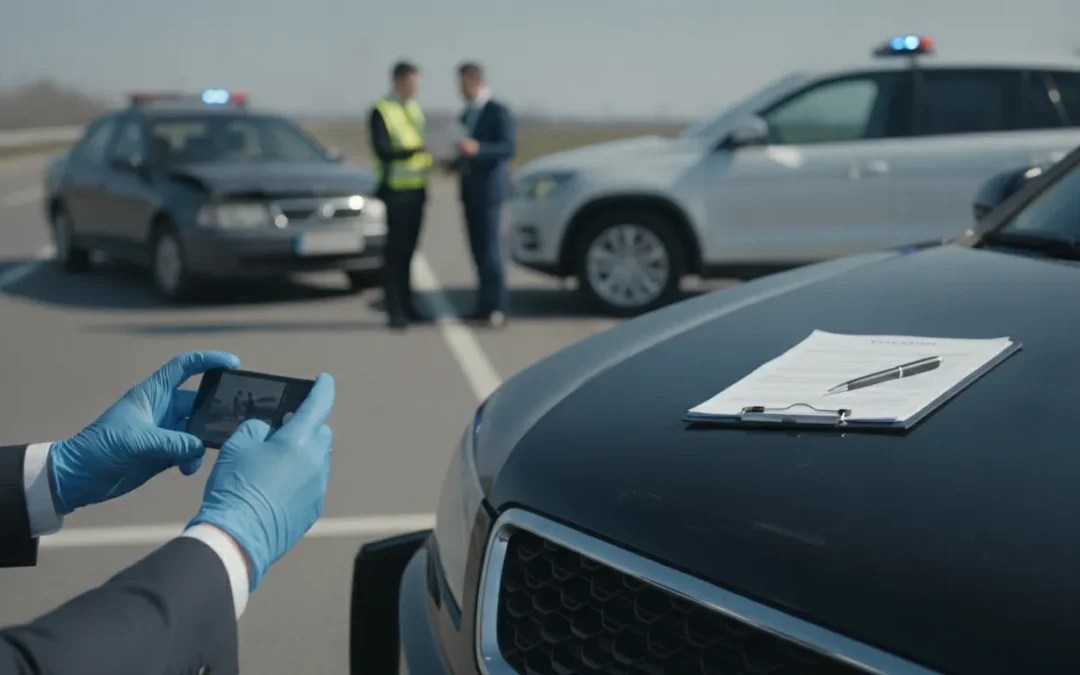
You do everything right. You pay your insurance premiums on time and drive safely. Then, someone who broke the law by driving without insurance crashes into you. The injustice of it all is frustrating, but anger won’t pay for your medical care or get your car out of the shop. A clear plan will. Knowing the correct steps to take immediately after the accident can make all the difference in protecting your financial future. This guide is your roadmap, explaining precisely what to do if you are hit by an uninsured driver so you can handle the situation with confidence and secure the fair compensation you are owed.
Key Takeaways
- Create your own evidence at the scene: After a crash, immediately call 911 to get an official police report. Use your phone to take photos of the damage, the scene, and the other driver’s information, and be sure to get contact details from any witnesses.
- Your own policy is your safety net: Your Uninsured Motorist (UM) coverage is specifically designed for this situation. It can pay for your medical bills and lost wages when the at-fault driver has no insurance, so it’s important to understand what your policy includes.
- Don’t assume your insurer will pay fairly: Even when filing a claim with your own provider, their goal is often to pay as little as possible. An attorney can manage the claims process and negotiate on your behalf to ensure you receive the full compensation you deserve.
Hit by an Uninsured Driver? Here’s What Happens Next
Getting into a car accident is jarring enough, but finding out the other driver doesn’t have insurance adds a whole new layer of stress. Suddenly, you’re left wondering who will pay for your medical bills and car repairs. When there’s no at-fault insurance company to file a claim against, the path to getting compensated can feel confusing and unfair.
The good news is that you still have options. The key is knowing what steps to take to protect your rights and your finances right from the start. This is where your own car insurance policy comes into play, specifically a type of coverage called Uninsured Motorist (UM) coverage. If you have this protection, your own insurance company can step in to cover your expenses, including medical treatment, lost wages, and car repairs, up to your policy limits.
However, dealing with your own insurance company isn’t always simple. They may still try to minimize your payout, even though you are their customer. You will need to prove your case just as you would with an at-fault driver’s insurer. This involves carefully documenting the accident, your injuries, and all related costs. If the process feels overwhelming or you believe you’re not being offered a fair settlement, it’s wise to get professional advice. An experienced attorney can manage the claim for you, making sure you receive the full compensation you deserve. You can always get a free case evaluation to understand your legal options without any obligation. If you want to review common signs that legal help may make sense, read our guide to when to hire a car accident lawyer.
Your First Steps at the Scene of the Crash
The moments after a car crash are a blur of screeching tires, shattered glass, and surging adrenaline. It’s completely normal to feel disoriented and overwhelmed. Your mind is racing, and it’s tough to think clearly. But the steps you take right here, right now, are incredibly important. They can protect your health, ensure your safety, and lay the groundwork for getting the compensation you deserve, especially when the other driver is uninsured.
Think of the following actions as a simple checklist. Following them can bring a sense of order to a chaotic situation. Your first priority is always safety, but documenting the scene comes in a close second. A police report, photos, and witness information become your most powerful tools when you have to file a claim. This is particularly true in Kentucky, where the legal and insurance processes can have specific requirements. If you’re ever unsure about what to do, remember that help is available. For a broader post-crash checklist, see our guide to what to do after a car wreck. An experienced attorney can guide you through the process, starting with a free case evaluation to help you understand your rights.
Check for Injuries and Call 911
Before you do anything else, check on yourself and anyone else in your car. Are you hurt? Are your passengers okay? Even if you feel fine, it’s crucial to call 911 immediately. The shock and adrenaline from a crash can easily mask pain from serious injuries that may not show up for hours or even days.
Calling 911 accomplishes two critical things: it dispatches medical help for anyone who needs it and brings law enforcement to the scene. A police officer will create an official accident report, which is a vital piece of evidence for your insurance claim. Don’t try to tough it out or assume your aches and pains will go away. Your health is the top priority, so let a professional check you out.
Move to a Safe Location and Document Everything
If your car is still drivable and it’s safe to do so, move it to the shoulder or a nearby parking lot to get out of the flow of traffic. If you can’t move your vehicle, turn on your hazard lights to alert other drivers. Your safety and the safety of others on the road is paramount.
Once you are in a safe spot, wait for the police to arrive. When they get there, cooperate fully and give them a clear, factual account of what happened. The official police report they create will document the details of the crash, which is essential for supporting your claim. Be honest and stick to the facts, but avoid guessing or admitting any fault. Let the officer conduct their investigation and record their findings.
Information to Collect from the Other Driver
While you wait for the police, you should exchange information with the other driver. Stay calm and polite, but be firm about collecting the details you need. Use your phone to take pictures of everything, as it’s the easiest way to ensure accuracy.
You’ll want to get:
- The other driver’s full name and contact information (address and phone number)
- Their driver’s license number
- Their license plate number
- The make, model, and color of their vehicle
- Their auto insurance company and policy number
Even if the driver says they are uninsured, ask for their insurance card anyway. They might be mistaken, or they might not be telling the truth. Take a photo of it if they have one.
What to Do If the Driver Flees or Refuses to Cooperate
Unfortunately, some drivers don’t do the right thing. If the other driver takes off after the crash, it becomes a hit-and-run. Try to capture as much information as you can before they disappear. The most important detail is the license plate number. Also, note the car’s make, model, color, and any unique features like dents or bumper stickers. Give this information to the police immediately.
If the driver stays but refuses to give you their information, don’t argue with them. Your safety is more important than a confrontation. Simply wait for the police to arrive and let them know the driver is not cooperating. An officer has the authority to demand this information, and the driver’s refusal will be noted in the official police report.
How to Document the Accident for Your Claim
After a crash, your memory can get hazy, and the other driver’s story might change. That’s why solid documentation is your best defense. The evidence you gather at the scene creates a clear, factual record of what happened, which is the foundation of a strong insurance claim. Taking a few moments to document everything can make a significant difference in the outcome of your case, especially when the other driver is uninsured. If you are unsure what to do next, request a free, no-obligation case evaluation from Rick Hessig Law.
Take Photos of the Damage and Scene
Your phone is one of the most important tools you have after an accident. Use it to take clear photos and videos from multiple angles. Be sure to capture images of the damage to both cars, getting both wide shots and close-ups. Snap pictures of the other driver’s license plate, the surrounding area, any relevant traffic signs, and the road conditions. If you have any visible injuries, photograph those as well. While you’re documenting the scene, always be aware of your surroundings and stay out of the way of traffic; your safety comes first.
Talk to Witnesses and Get Their Contact Info
If anyone saw the accident happen, their perspective can be incredibly valuable. A statement from an impartial witness can support your version of events and add a layer of credibility to your claim. This is especially helpful when dealing with an uninsured driver. Politely ask any witnesses for their name and phone number. You don’t need a detailed statement on the spot, just their contact information so your insurance company or attorney can reach out to them later. Most people are happy to help if they know it can make a difference.
Request a Copy of the Police Report
Even if the accident seems minor, calling the police creates an official record. The responding officer will file a police report that includes details about the crash, statements from drivers, and sometimes a diagram of the scene. This report is a critical piece of evidence for your insurance claim. You can typically request a copy of your collision report online a few days after the incident. Having this official document helps establish the facts and prevents disputes about what occurred, providing a neutral summary for your insurance provider to review.
Understanding Your Insurance Coverage
After a crash with an uninsured driver, one of the first questions is always, “Who is going to pay for this?” The answer often lies within your own auto insurance policy. While it might seem unfair that you have to rely on your own coverage for an accident you didn’t cause, these specific policy add-ons are designed for this exact situation. They act as a critical safety net, protecting you from the financial fallout of a collision with someone who is driving illegally without insurance.
Dealing with insurance companies can feel overwhelming, especially when you’re trying to recover from an accident. Understanding what your policy entails is the first step toward getting the compensation you need for medical bills, lost income, and vehicle repairs. If you’re unsure what your policy covers or how to proceed, getting a professional opinion can make all the difference. We offer a free case evaluation to help you understand your options. Below, we’ll walk through the key types of coverage that can help you after being hit by an uninsured driver.
Uninsured Motorist (UM) Coverage
Uninsured motorist (UM) coverage is your primary line of defense when the at-fault driver has no insurance at all. This coverage steps in to pay for expenses that the other driver’s insurance should have covered. In Kentucky, this includes your medical bills, lost wages from being unable to work, and other damages related to your injuries. Think of it as a stand-in for the insurance the other driver was supposed to have. Without it, you could be left paying for everything out of your own pocket. Having this coverage ensures you can get the medical care you need and protect your financial stability while you recover from the accident.
Underinsured Motorist (UIM) Coverage
Underinsured motorist (UIM) coverage is similar to UM but applies in a slightly different scenario. It protects you when the at-fault driver has insurance, but their policy limits are too low to cover the full extent of your damages. This happens more often than you might think, as many drivers only carry the state-required minimum liability coverage. If your medical bills and lost wages exceed that low limit, your UIM coverage can kick in to cover the difference. This type of coverage can also help pay for damages from a hit-and-run, ensuring you have a path to recovery even when the at-fault driver can’t be held fully accountable.
Medical Payments (MedPay) Coverage
Medical Payments coverage, often called MedPay, is an optional but incredibly useful part of an auto policy. It helps pay for reasonable and necessary medical expenses for you and your passengers after an accident, regardless of who was at fault. The best part about MedPay is that it provides immediate funds for your medical care without waiting for a fault determination or a lengthy claims process. This can be a lifesaver for covering health insurance deductibles, co-pays, or treatments your health insurance might not cover. It’s a straightforward way to ensure your initial medical needs are met quickly.
Collision Coverage
While UM and UIM coverage typically focus on bodily injuries, what about the damage to your car? This is where collision coverage comes in. This coverage helps pay to repair or replace your vehicle if it’s damaged in an accident, no matter who is at fault. If you are hit by an uninsured driver, you can file a claim under your own collision coverage to get your car fixed. You will likely have to pay your deductible, but your insurance company may try to recover that cost from the at-fault driver later. Without collision coverage, you would be responsible for the full cost of repairs yourself.
What’s the Difference Between UM and UIM Coverage?
When you’re looking at your car insurance policy, the alphabet soup of acronyms can be confusing. Two of the most important, yet often misunderstood, are UM and UIM. While they sound almost identical, they stand for Uninsured Motorist (UM) and Underinsured Motorist (UIM) coverage. Both are designed to protect you when you’re in an accident that isn’t your fault, but the at-fault driver can’t cover your costs.
Think of them as a safety net built into your own insurance policy. You can’t control whether other drivers on the road have adequate insurance, but you can make sure you’re protected if they don’t. These coverages step in to pay for your medical bills, lost wages, and other damages when the responsible party’s insurance is either non-existent or insufficient. Understanding how each one works is the key to knowing what your options are after a crash.
When Uninsured Motorist (UM) Coverage Applies
Uninsured motorist (UM) coverage is your protection against drivers who have no auto insurance at all. This also typically includes hit-and-run accidents where the at-fault driver cannot be identified. If you’re hit by someone with a lapsed policy or who was driving illegally without coverage, your UM policy is what you’ll turn to.
Instead of trying to sue a driver who likely has no assets to pay for your damages, you file a claim with your own insurance company. Your uninsured motorist coverage can help pay for your medical expenses, your passengers’ injuries, and in some cases, lost wages if you’re unable to work. It essentially fills the gap left by the irresponsible driver.
When Underinsured Motorist (UIM) Coverage Applies
Underinsured motorist (UIM) coverage applies in a slightly different, but equally frustrating, situation. This is for when the at-fault driver does have insurance, but their policy limits aren’t high enough to cover the full extent of your damages. This happens more often than you might think, as many drivers only carry the minimum liability coverage required by law.
For example, let’s say your medical bills and lost wages total $80,000, but the at-fault driver’s policy only covers up to $25,000. After their insurance pays out its maximum, you could be left with a $55,000 shortfall. This is where your UIM coverage would kick in to help cover that remaining amount, up to the limits of your own policy.
Why It’s Smart to Have Both
Having both UM and UIM coverage is one of the smartest decisions you can make to protect yourself financially. They cover two distinct and unfortunately common scenarios. UM protects you from a driver with no insurance, while UIM protects you from a driver with not enough insurance. Without them, you could be left paying for a serious accident out of your own pocket.
The claims process for either can be complicated, as you’re essentially dealing with your own insurance company to cover another driver’s mistake. If you’re unsure how your UM/UIM coverage applies to your accident, it can be helpful to get a free case evaluation to understand your rights and options. An experienced attorney can help you make sense of your policy and work to get you the full compensation you deserve.
How to File Your Uninsured Motorist Claim
After you’ve handled the immediate aftermath of the crash, your next step is to file a claim with your own insurance provider. This process uses your Uninsured Motorist (UM) coverage, so you’ll be dealing with your own insurance company, not the other driver’s. While that might sound simpler, it can still be a challenging road. Your insurer’s goal is often to pay out as little as possible, even to their own customers.
Knowing what to expect can make a huge difference and help you protect your right to fair compensation. The process involves a few key stages, from making the first call to gathering your documents and handling the settlement. If at any point the process feels overwhelming or you believe the offer is unfair, it’s a good idea to get a free case evaluation to understand your options. Below, we’ll walk through exactly how to file your claim and what mistakes to avoid along the way.
Notify Your Insurance Company Immediately
Contact your insurance company as soon as you can after the accident. The sooner you report the incident, the sooner you can begin the claims process. When you call, be clear that you were hit by an uninsured driver and need to start an uninsured motorist claim. They will open a file for your case and assign you a claim number, which you should keep for your records.
Your insurance representative will guide you through their specific initial steps. This first call is crucial for getting the process started on the right foot. Don’t delay, as some policies have deadlines for reporting an accident. Acting quickly shows you are serious about your claim and helps preserve the details while they are still fresh.
What to Expect from the Claims Process
Once your claim is open, your insurance company will assign a claims adjuster to your case. This person is responsible for investigating the accident and determining the settlement amount. The adjuster will ask you to provide all the documentation you gathered at the scene, including the police report, photos of the damage, witness contact information, and any medical records.
They will also need proof of your financial losses, such as medical bills and documentation of lost wages from time off work. After your insurer pays your claim, they will typically try to recover the money from the at-fault driver. This process, known as subrogation, is handled entirely by the insurance company, so you won’t have to worry about it.
Common Mistakes to Avoid When Filing
When you’re stressed after an accident, it’s easy to make a misstep that could hurt your claim. One of the biggest mistakes is accepting cash from the uninsured driver at the scene. This might seem like an easy fix, but it almost never covers the full cost of repairs and medical bills, and it can prevent you from seeking further compensation.
Another critical error is failing to call the police. You should always report the accident, even if it seems minor. A police report is official documentation that provides essential proof for your claim. Finally, don’t assume you’re not injured just because you don’t feel pain right away. Adrenaline can mask injuries, so it’s always best to get a medical evaluation after a crash. Properly handling an uninsured driver accident from the start will protect your rights.
Kentucky’s Uninsured Driver Laws Explained
Getting into a wreck is stressful enough, but finding out the other driver has no insurance adds another layer of complexity. Understanding Kentucky’s specific car insurance laws is the first step toward protecting your rights and getting the compensation you deserve. The system has a few unique parts, like its “no-fault” rules and uninsured motorist coverage requirements, that directly impact how you’ll handle your claim. Knowing how these pieces fit together will help you make informed decisions from the very beginning.
Kentucky’s Minimum Insurance Requirements
In Kentucky, every driver is legally required to carry a minimum amount of car insurance. This isn’t just a suggestion; it’s the law. The state mandates that every policy includes liability coverage of at least $25,000 for bodily injury per person, $50,000 for total bodily injury per accident, and $25,000 for property damage. On top of that, Kentucky requires drivers to have at least $10,000 in Personal Injury Protection, or PIP. This mandatory security is designed to ensure that there are funds available to cover basic costs after a crash, but as you’ll see, the minimums are often not enough to cover serious injuries.
How “No-Fault” Laws Affect Your Claim
Kentucky is a “no-fault” state, which can be a confusing term. It doesn’t mean no one is ever at fault for an accident. Instead, it means your own Personal Injury Protection (PIP) coverage is your first source of payment for medical bills and lost wages, up to your policy limit. This system is designed to get you immediate financial help without waiting for a lengthy fault dispute. However, if your medical expenses exceed $1,000 or you suffer a serious injury like a broken bone, you can step outside the no-fault system and file a claim against the at-fault driver for your remaining damages.
State Requirements for UM/UIM Coverage
Because so many drivers unfortunately ignore the law and drive without insurance, Kentucky requires insurance companies to offer you Uninsured Motorist (UM) and Underinsured Motorist (UIM) coverage. The minimum offer must match the state’s liability limits: $25,000 per person and $50,000 per accident. While you have the option to reject this coverage in writing, it is an incredibly valuable protection. If you’re hit by a driver with no insurance or not enough insurance to cover your bills, your own UM/UIM policy steps in to cover the gap. Keeping this coverage is one of the smartest things you can do to protect yourself on the road.
Common Myths About Uninsured Driver Accidents
After a crash with an uninsured driver, it’s easy to feel like you’ve hit a dead end. Misinformation can add to the stress, making it hard to know what to do next. Let’s clear up a few common myths so you can move forward with confidence.
Myth: You Can’t Recover Anything Without UM Coverage
It’s a huge relief to have Uninsured Motorist (UM) coverage, but if you don’t, please don’t assume you’re out of options. While a UM claim is often the most direct route, it isn’t the only one. You may still be able to recover compensation for your injuries and damages.
One path is to file a lawsuit directly against the at-fault driver. If they have personal assets, you may be able to recover costs that way. Other parts of your own auto policy, like collision coverage or Medical Payments (MedPay) coverage, can also help cover your car repairs and initial medical bills. It’s a more complex situation, for sure, but it’s far from hopeless.
Myth: Accepting Cash at the Scene Is a Safe Bet
If an uninsured driver offers you cash at the scene, it might feel like an easy way to handle things and avoid insurance headaches. Be very careful here. Accepting money on the spot is almost always a bad idea. The driver is likely trying to avoid legal trouble and offering an amount that is far less than what your claim is actually worth.
Many serious car accident injuries, like whiplash or internal damage, don’t show symptoms right away. The same goes for vehicle damage, which can be more extensive than it looks. If you accept cash, a court could see it as a final settlement, preventing you from seeking more money later when the true costs become clear.
Myth: Your Insurance Company Will Automatically Pay Fairly
When you file a claim with your own insurance provider, you expect them to have your back. Unfortunately, that’s not always how it works. Remember, your insurance company is a business. Even in a UM claim, their goal is to protect their bottom line, which often means paying out as little as possible. They may question the severity of your injuries or undervalue your damages.
You have the right to fair compensation, but you might have to fight for it. This is where having an experienced attorney on your side can make all the difference. A lawyer can handle communications with the insurer and work to ensure you receive what you’re truly owed. If you feel like you’re not being treated fairly, you can always get a free case evaluation to understand your rights.
Myth: State-Minimum Coverage Is Enough Protection
Simply meeting your state’s minimum insurance requirements feels like you’re doing enough, but this basic coverage can leave you financially exposed after a serious accident. These policies are designed to cover damage you cause to others, not to protect you from a driver who has no insurance at all.
In Kentucky, for example, the minimum liability limits can be exhausted quickly by medical bills and property damage from even a moderate crash. Optional coverages like UM/UIM and MedPay are your safety net in these situations. While they add a small amount to your premium, having this extra protection provides critical financial support and peace of mind when you need it most. It’s always a good idea to review your policy and make sure you’re truly covered.
Your Legal Options if the At-Fault Driver Can’t Pay
It’s a frustrating scenario: the driver who hit you doesn’t have insurance, or not enough to cover your expenses. It can feel like you’ve hit a dead end, especially if you’re facing medical bills and car repairs. While your own Uninsured/Underinsured Motorist (UM/UIM) coverage is your best first step, it’s not your only path forward. Depending on your situation, you may have other legal avenues to pursue compensation for your losses. Understanding these options can help you make an informed decision about what to do next.
Can You Sue an Uninsured Driver Directly?
Yes, you absolutely have the option to sue the at-fault driver personally, even if they don’t have insurance. This involves filing a personal injury lawsuit against them to recover the costs of your medical treatment, lost wages, and vehicle damage. However, it’s important to be realistic about this path. A person who can’t afford car insurance often doesn’t have the money or assets to pay a court judgment. While you might win the lawsuit, collecting the money can be a long and difficult process. An experienced attorney can investigate the driver’s financial situation to determine if a lawsuit is a worthwhile step.
Filing a Claim After a Hit-and-Run
A hit-and-run is one of the most stressful types of accidents. Since you can’t identify the at-fault driver, you can’t file a claim against their insurance. In this case, the driver is treated as uninsured. This is precisely where your own policy comes into play. Your uninsured motorist coverage is designed to cover your injuries and property damage from a hit-and-run. This also applies to accidents caused by a “phantom vehicle,” where another driver forces you off the road without making contact and then disappears. Reporting the incident to the police immediately is critical for strengthening your claim with your insurance company.
When to Consider Small Claims Court
For accidents with less severe damages, you might consider suing the uninsured driver in small claims court. This process is generally faster and less formal than a traditional lawsuit. However, it comes with the same major challenge: even if you win, collecting the payment is not guaranteed. The court can issue a judgment in your favor, but it won’t force the person to pay you. You would be responsible for collecting the debt, which can be a difficult and often fruitless effort. Because of this, small claims court is often a last resort when other options, like a UM claim, aren’t available.
When Should You Call a Car Accident Attorney?
After a wreck, especially with an uninsured driver, the thought of hiring a lawyer can feel overwhelming. It’s true that not every minor fender-bender requires legal action. However, if you’re facing challenges that go beyond a simple repair bill, getting professional legal advice is a smart move. You should strongly consider calling an attorney if the accident resulted in serious injuries, you have significant medical expenses, or you’re missing work and losing income. An attorney is also essential if the insurance company is disputing who was at fault or trying to offer you a quick, low settlement.
Dealing with insurance adjusters and legal paperwork is complicated, and it’s the last thing you need to handle while you’re trying to recover. A car accident attorney steps in to manage these complexities for you. They act as your advocate, working to protect your rights and ensure you receive the full compensation you’re entitled to. Their job is to build a strong case on your behalf, allowing you to focus on what truly matters: your health and your family. With a dedicated professional in your corner, you can feel confident that your claim is being handled correctly from start to finish.
How a Lawyer Can Strengthen Your Uninsured Motorist Claim
An experienced attorney can make a huge difference in the outcome of your uninsured motorist claim. They begin by gathering all the essential evidence needed to build a solid case. This includes the official police report, which documents the facts of the crash, as well as your medical records, witness statements, and proof of lost wages. Many people mistakenly believe they have no options if the at-fault driver is uninsured. However, a lawyer can help you understand your own policy and file a claim under your Uninsured Motorist (UM) coverage. They will fight to make sure your own insurance company honors its policy and pays you what you rightfully deserve.
Get a Free Case Evaluation with Rick Hessig Law
If you’re feeling unsure about your situation or how to proceed after being hit by an uninsured driver, you don’t have to figure it out alone. The best first step is to get clear, professional advice without any pressure or financial risk. At Rick Hessig Law, we offer a FREE CASE EVALUATION to help you understand your rights and options. During this confidential meeting, you can share the details of your accident and ask any questions you have. We’ll review your case and explain how your own insurance coverage, including UM/UIM benefits, can help pay for your damages and injuries. It’s a simple, no-obligation way to get the clarity you need to move forward.
Frequently Asked Questions
What if I don’t have Uninsured Motorist (UM) coverage? Am I out of options? Not at all, so please don’t assume you’ve hit a dead end. While a UM claim is the most direct path, you may have other ways to cover your costs. Your collision coverage can pay for your vehicle repairs, and Medical Payments (MedPay) coverage can help with initial medical bills regardless of who was at fault. You also have the legal right to file a lawsuit directly against the at-fault driver, though collecting payment from someone without assets can be challenging.
Why would I need a lawyer to file a claim with my own insurance company? This is a great question, and the answer can be surprising. Even though you are their customer, your insurance company is still a business that aims to protect its profits. For an uninsured motorist claim, they may undervalue your damages or question the severity of your injuries to minimize their payout. An attorney acts as your advocate, making sure your insurer treats you fairly and provides the full compensation you are entitled to under your policy.
The driver who hit me offered cash at the scene. Is it a good idea to accept it? While it might seem like a simple solution, accepting cash at the scene is almost always a bad idea. The amount offered will likely not be enough to cover the full cost of your car repairs and medical bills, especially since some injuries can take days to appear. If you accept the money, you may lose your right to seek further compensation later when the true costs become clear. It is always best to follow the proper legal and insurance procedures.
How does Kentucky’s “no-fault” law work if the other driver is uninsured? The term “no-fault” can be confusing, but it simply means your own insurance is the first line of defense for your medical bills. Your Personal Injury Protection (PIP) coverage will pay for your initial medical costs and lost wages up to your policy limit, which helps you get immediate care without waiting for a fault dispute. Once your PIP benefits are used up, or if your injuries are severe, your Uninsured Motorist (UM) coverage would then step in to cover the remaining expenses.
What is the single most important thing to do after being hit by an uninsured driver? Your first priority is always safety, so check for injuries and call 911 immediately. This brings both medical help and law enforcement to the scene. Getting a police report is absolutely critical. It creates an official, neutral record of the accident, which becomes the most important piece of evidence for your insurance claim and proves the other driver was uninsured and at fault.