
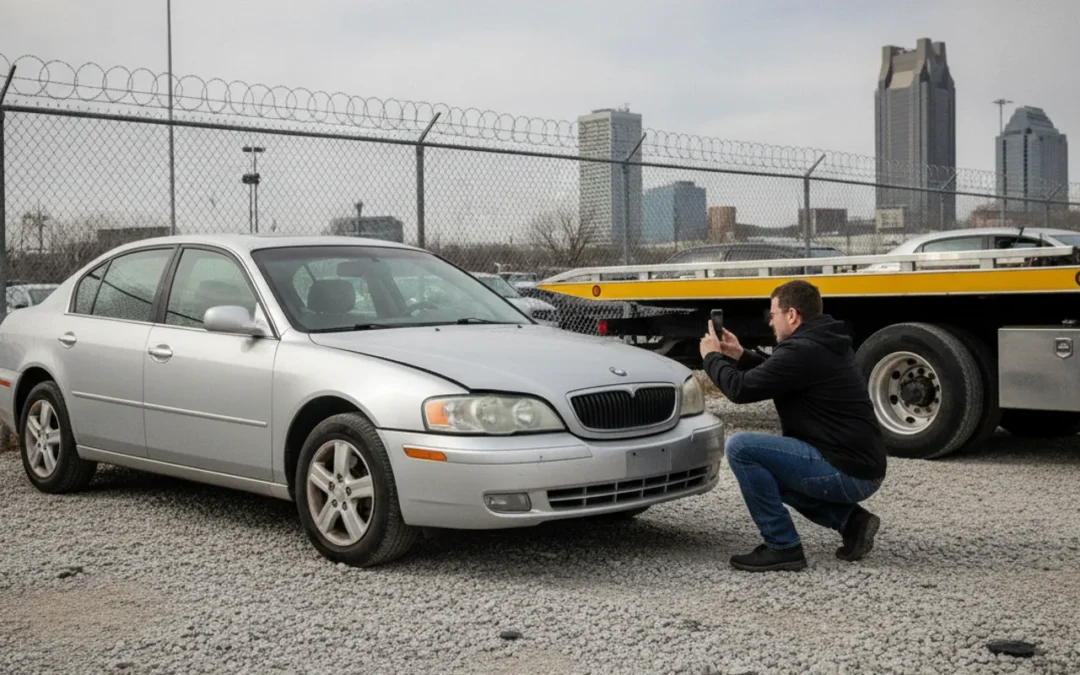
Wondering what to do with your car after an accident? First, make sure it is safe to approach or move. Then document its condition, arrange a sensible place for it to go, and keep track of every conversation and expense while you decide what happens next. A few organized steps can reduce avoidable confusion while you deal with injuries, transportation, and insurance.
Request a free, no-obligation case evaluation
What to do with car after accident: first steps
People come before vehicles. If anyone may be injured, seek help and do not put yourself in traffic to inspect a car. If the vehicle is in a dangerous position and can be moved safely, move it out of active traffic; if it cannot be moved, use hazard lights if available and follow directions from emergency responders. Do not drive a car that appears unsafe just to get it off the road.
When it is safe, take a quick look for visible damage without crawling under the vehicle or touching leaking fluid, broken glass, or damaged electrical components. A car that still starts may nevertheless have damage that makes driving unsafe. If you are unsure, wait for roadside assistance or a tow operator rather than testing it on the road.
For a broader scene-to-follow-up checklist, see what to do after a car wreck and the car accident checklist. The immediate goal is to protect people, preserve information, and avoid making a stressful situation more dangerous.
What to do with car after accident: towing and storage
Do not decide based only on whether the engine turns over. A damaged tire, wheel, steering component, light, windshield, door, or airbag system can make a vehicle unsafe or illegal to drive. Warning lights, a strong smell, fluid on the ground, smoke, unusual sounds, or a vehicle that pulls to one side are reasons to stop and ask for help.
If you have any doubt about safe operation, arrange a tow. Ask the operator where the vehicle will be taken, what the initial tow and storage charges are, how the vehicle can be accessed, and what payment methods are accepted. Get the destination and charges in writing or save the dispatch text or receipt. If the police or roadway service already arranged the tow, find out which company has the vehicle and its current location.
Where a tow operator offers several destinations, pause before choosing a repair shop. You may want the car taken to a location where you can inspect it and decide on repairs. Your insurance policy may provide roadside or towing benefits, but coverage and limits depend on the policy. Call the insurer or check the policy rather than assuming that a tow, storage, or rental is covered.
Where should the car go after a crash?
A vehicle may go to a tow yard, a repair facility, or another secure location. The right practical choice depends on safety, access, the vehicle’s condition, towing and storage charges, and what the insurer needs to inspect. Before authorizing a move, ask where the car will be kept and what daily storage charges, if any, will apply. Promptly tell the insurer where the vehicle is so the company can explain its inspection process.
Do not leave the car indefinitely at a storage yard without understanding the charges and arrangements. At the same time, do not rush into repairs or disposal simply because someone says the vehicle must be moved immediately. Ask for the deadline they are referring to, who set it, and whether moving the car will affect access to an inspection. Keep notes of the answer and confirm important instructions in writing when possible.
If the car is at a shop, ask whether it will be stored outside or inside, whether personal property can be collected, and how to arrange access. Take out medications, work equipment, child seats, documents, and other belongings when it is safe to do so. Photograph items before removing them if their condition or location may matter later. Keep valuables and sensitive documents secure.
What should you photograph and keep?
Take clear photographs before repair work begins, if you can do so safely. Capture the whole vehicle from several angles, close-ups of each damaged area, the odometer, the license plate, and any visible warning lights or deployed safety equipment. Photograph the interior if airbags deployed or parts of the cabin were damaged. If the vehicle is at a yard or shop, photograph its location and condition there too.
Preserve original photo files when possible. Avoid editing or adding annotations to the only copy. Make a backup, and record when and where the pictures were taken. If you notice new damage or a change in the car’s condition, photograph that as well. Cornell’s evidence-preservation guidance recommends photographs, videos, witness information, and notes as ways to preserve information after a car accident: Cornell’s overview of preserving accident evidence.
Keep the tow receipt, storage invoices, repair estimates, insurer letters, claim number, and notes from calls together. Write down the date, the person’s name or department, and what they said. Save text messages and emails. If you have not yet collected basic crash information, this guide explains how to report a car accident. AARP also recommends checking for injuries and taking practical steps after a crash; review its post-accident safety checklist.
How should you handle a repair estimate?
Ask the insurer what it needs to inspect the vehicle and whether it has a preferred process for estimates. You can also ask a repair shop to explain its inspection and estimate in plain language. An estimate is not always the final repair bill: further damage may be found after disassembly. Ask the shop to contact you before doing additional work that changes the scope or cost.
Before authorizing repairs, get the estimate in writing and ask what it includes. Confirm whether it addresses visible damage only, whether parts or labor assumptions are noted, and how the shop will handle newly discovered damage. Ask who is responsible for approving extra work and how you will be informed. Keep copies of revised estimates, invoices, and any photographs the shop provides.
Coordinate with the insurer before authorizing significant repairs, especially if the vehicle has not yet been inspected. Avoid signing a document you do not understand or giving broad permission beyond the work you intend to approve. You can ask the shop or insurer to explain a form before signing it. For an overview of communications about a claim, read how to handle an auto insurance claim after a Kentucky car accident.
What if the insurer says the car may be a total loss?
A total-loss decision generally means the insurer is treating the vehicle as uneconomical to repair under the process it applies. The insurer should explain how it reached its position and what information it used. Ask for the valuation details in writing, including the vehicle description, condition assumptions, comparable vehicles, and any adjustments. Check that the year, make, model, trim, mileage, and listed equipment are accurate.
If you think information is missing or incorrect, gather documents that help explain the car’s condition and equipment, such as maintenance records, purchase documents, and dated photographs. Point out specific errors and ask how to submit supporting information. Do not assume that an online asking price for another car is directly comparable; condition, location, mileage, and equipment can differ. Keep your response factual and retain a copy of what you send.
Ask what happens to the vehicle if you accept the proposed handling, whether you can keep it, and what paperwork or title steps may be involved. Rules and procedures can differ based on the insurer, policy, vehicle, and jurisdiction. Before signing over a title or agreeing to a final disposition, make sure you understand what you are accepting and how it affects your ability to keep or retrieve the car. For a related discussion of claim expectations, see what to expect from a car accident settlement.
Should you keep a damaged or salvage vehicle?
Keeping the vehicle may sound like a way to retain a familiar car, but first learn what that choice means. Ask the insurer how keeping it would affect the payment, what title status or paperwork may apply, and whether the vehicle can be legally returned to the road after repairs. Also get an independent understanding of repair needs and safety concerns from a qualified repair professional. A vehicle that looks repairable may still have damage that is difficult to spot.
Compare more than the expected repair bill. Consider towing and storage, inspection or required repairs, parts availability, the car’s condition before the crash, and whether it can be insured and driven after the work. Ask how the decision may affect future resale. Do not rely on a verbal estimate as a complete picture; request written details and ask what remains uncertain.
There is no one right answer for every vehicle. If you are unsure, take time to understand the insurer’s written proposal and ask questions before making an irreversible choice. This is a practical decision with financial and safety considerations, not a reason to drive a car before it has been deemed safe.
What expenses and decisions should you track?
Make a simple list of each vehicle-related expense, the date, the amount, who charged it, and whether you have a receipt. Include towing, storage, inspection, rental transportation, and personal property removal if applicable. Record whether you paid, expect reimbursement, or are waiting for an answer. Coverage depends on your policy and circumstances; do not treat a cost as covered until the insurer confirms its position.
| Decision or item | What to ask or document | Why it helps |
|---|---|---|
| Tow destination | Location, access details, tow charge, storage rate, and who arranged it | Helps you locate the car and understand costs that may accumulate |
| Vehicle inspection | Who will inspect it, when, and what must remain accessible | Helps coordinate inspection before repairs or disposal |
| Repair estimate | Written scope, assumptions, supplements, and approval process | Clarifies what work is proposed and who must approve changes |
| Total-loss proposal | Vehicle details, valuation explanation, title steps, and options | Lets you check the information and understand what you are agreeing to |
| Out-of-pocket costs | Receipts, dates, payment status, and insurer response | Keeps expenses organized without assuming that every item is covered |
These records can also help you explain what happened to the vehicle if you need guidance about an injury claim. If another driver may not have insurance, see information about an uninsured-driver claim in Kentucky. Every situation is different, so use the policy and written claim communications for your specific vehicle and coverage.
What should you avoid doing with the car?
- Do not drive it just because it starts. Ask for help if damage could affect safe operation.
- Do not leave it in paid storage without a plan. Confirm the location, charges, access, and next steps.
- Do not authorize major repairs before clarifying inspection needs. Ask the insurer and shop how to coordinate first.
- Do not discard potentially useful records. Keep photographs, estimates, receipts, and communications.
- Do not sign documents you do not understand. Ask what the document authorizes or transfers before signing.
- Do not assume every expense is covered. Check the policy and request a written explanation of coverage decisions.
When the crash involved injuries, vehicle choices may affect more than transportation and repair costs. A lawyer can review the circumstances and explain possible next steps, but no one can promise a particular result from a brief description. For a local perspective, see when to call a Louisville personal injury lawyer after a crash.
Get a free case evaluation or call the KY Injury Hotline at 502-777-1111.
Frequently Asked Questions
Can I move my car before the insurance adjuster sees it?
Ask the insurer what inspection it needs and whether moving the vehicle will affect that process. If the car is creating a safety problem or accumulating storage charges, tell the insurer where it is and ask how to proceed. Photograph the vehicle and keep the tow and storage records. Do not keep an unsafe car in traffic while waiting for an inspection.
Should I use the repair shop recommended by the insurer?
Ask how the insurer’s repair process works and what choices you have under your policy. Before authorizing work, review the estimate, ask who approves additional repairs, and confirm how warranties or payment are handled. Make sure you understand the terms rather than relying only on a recommendation.
Can I take my personal belongings out of the car?
Usually, you can arrange access through the tow yard or shop, but call first and follow its safety and access rules. Do not enter a vehicle that may be unstable or unsafe. Photograph belongings or relevant damage before removing items, and keep important property secure.
What if my car is declared a total loss but I want to keep it?
Ask the insurer in writing how retaining the vehicle would change its offer and what title, inspection, or road-use requirements may apply. Get the vehicle’s repair and safety needs assessed before deciding. The financial and administrative consequences depend on the vehicle, policy, and applicable rules.
Talk through the next step
If you were injured in a crash in Louisville or elsewhere in Kentuckiana, Rick Hessig Law offers a free, no-obligation case evaluation. Rick Hessig is a Kentucky attorney and Licensed Professional Private Investigator, and his office can discuss your situation and questions about what to do next. The firm works on a “No Fee Unless You Win” basis with no upfront attorney fee. In accordance with KBA regulations, we must inform you that case and court costs may be the responsibility of the client.
Keep your vehicle safe, your records together, and your questions written down so you can make informed decisions one step at a time.